

Origin Story
Cotton Built It
1880s-1920s
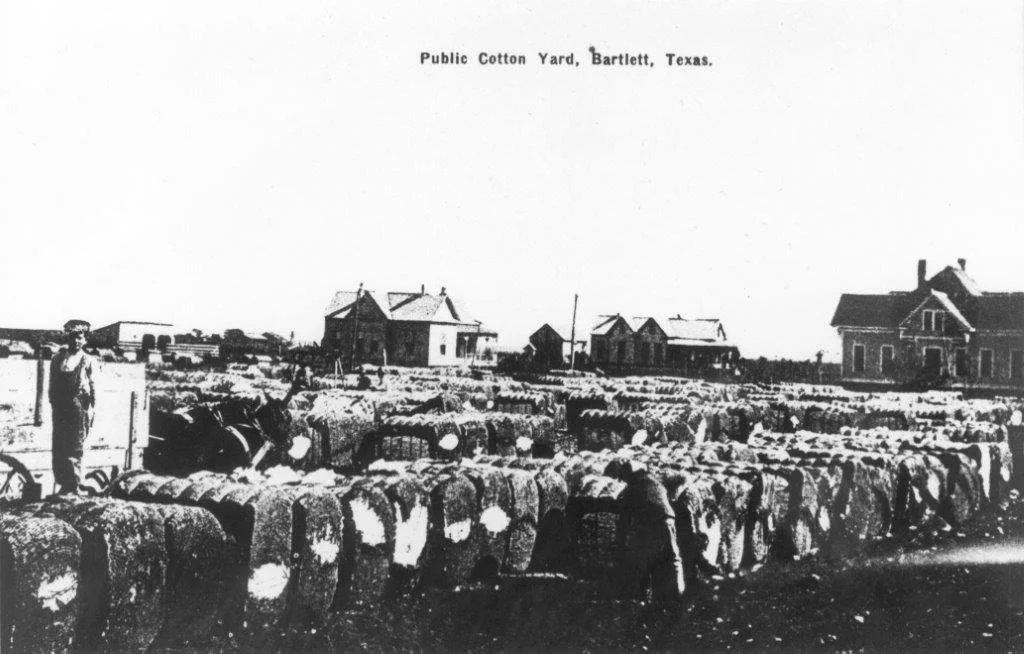
Long before The Denim District, this was one of Central Texas' cotton communities.
Rich Blackland Prairie soil produced exceptional cotton. Three cotton gins, a railroad, cotton yards, and a busy commercial district turned raw fiber into economic opportunity. Cotton wasn't just another crop.
It was the reason this place existed.
Reinvention Through Manufacturing
1940s-1970s
When cotton declined after the boll weevil and the Great Depression, many rural towns faded away.
This one reinvented itself.
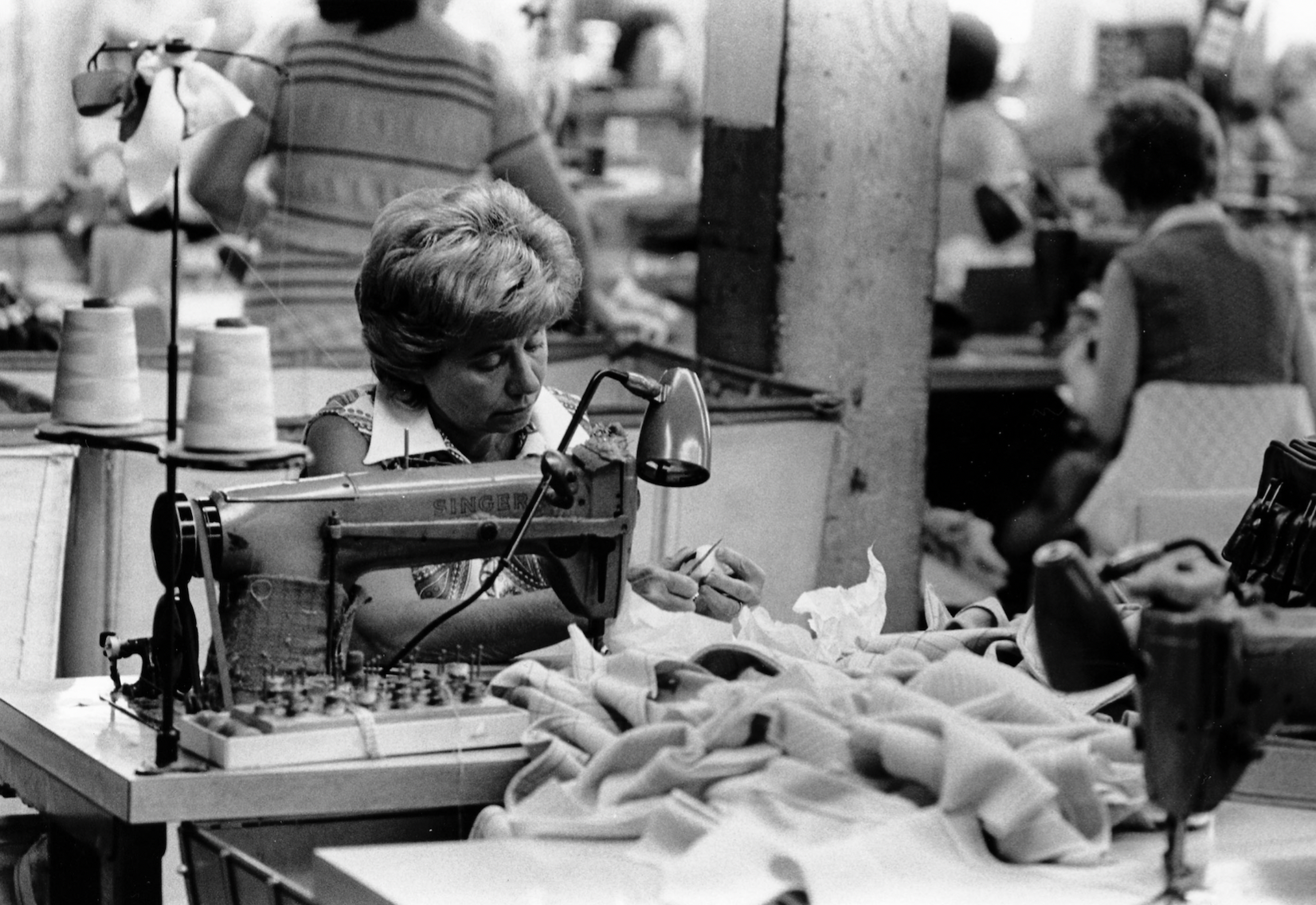
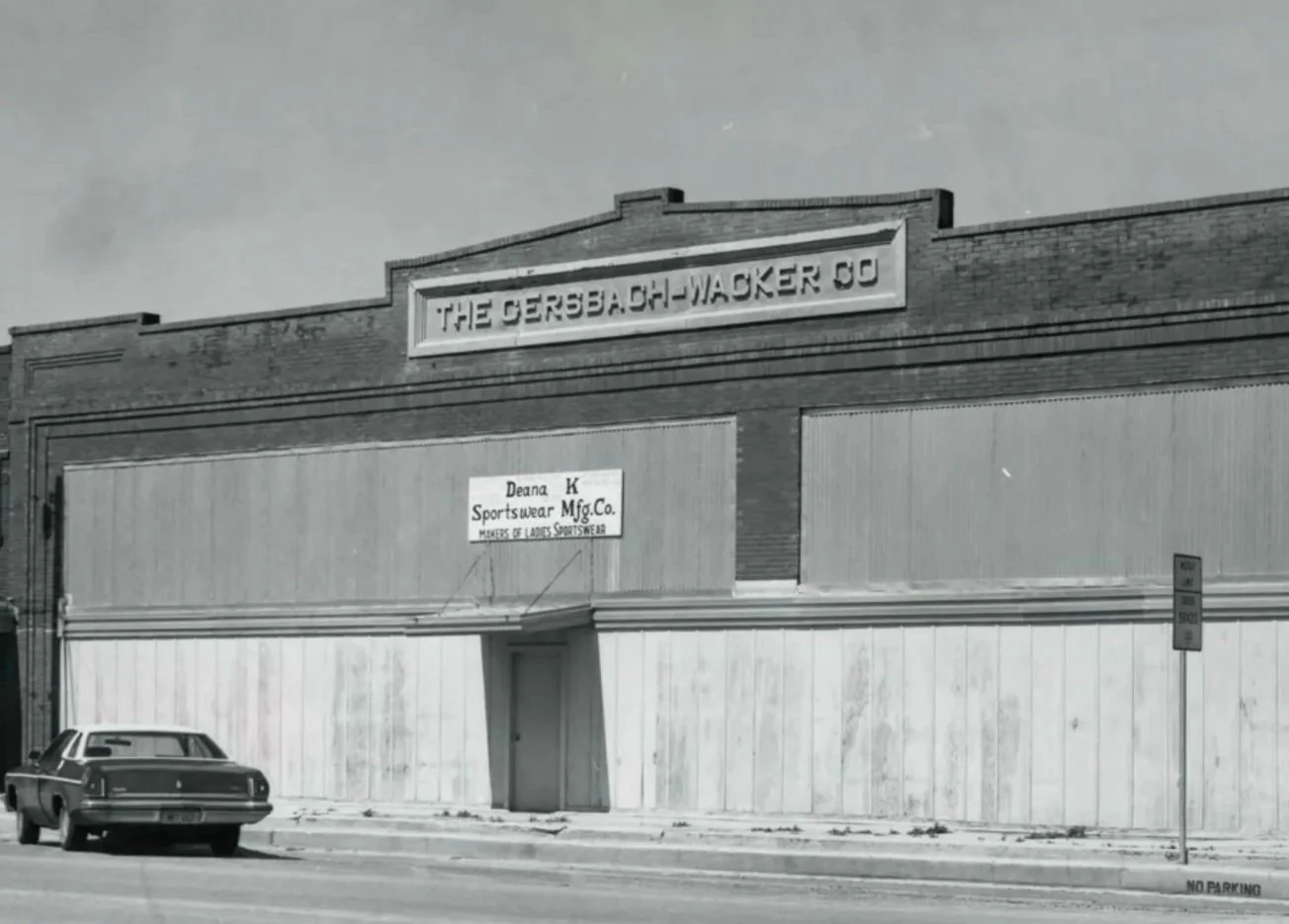
Texas apparel companies began moving sewing operations into smaller communities where skilled local workers assembled finished garments. Design and fabric cutting stayed in larger cities while buildings like these became part of a statewide manufacturing network.
For decades, local seamstresses produced sportswear sold in department stores across America.
The town stopped shipping cotton.
It started shipping clothing.
The Quiet Years
1980s-1990s
As apparel production moved overseas, the sewing machines fell silent.
Factories closed.
Downtown emptied.
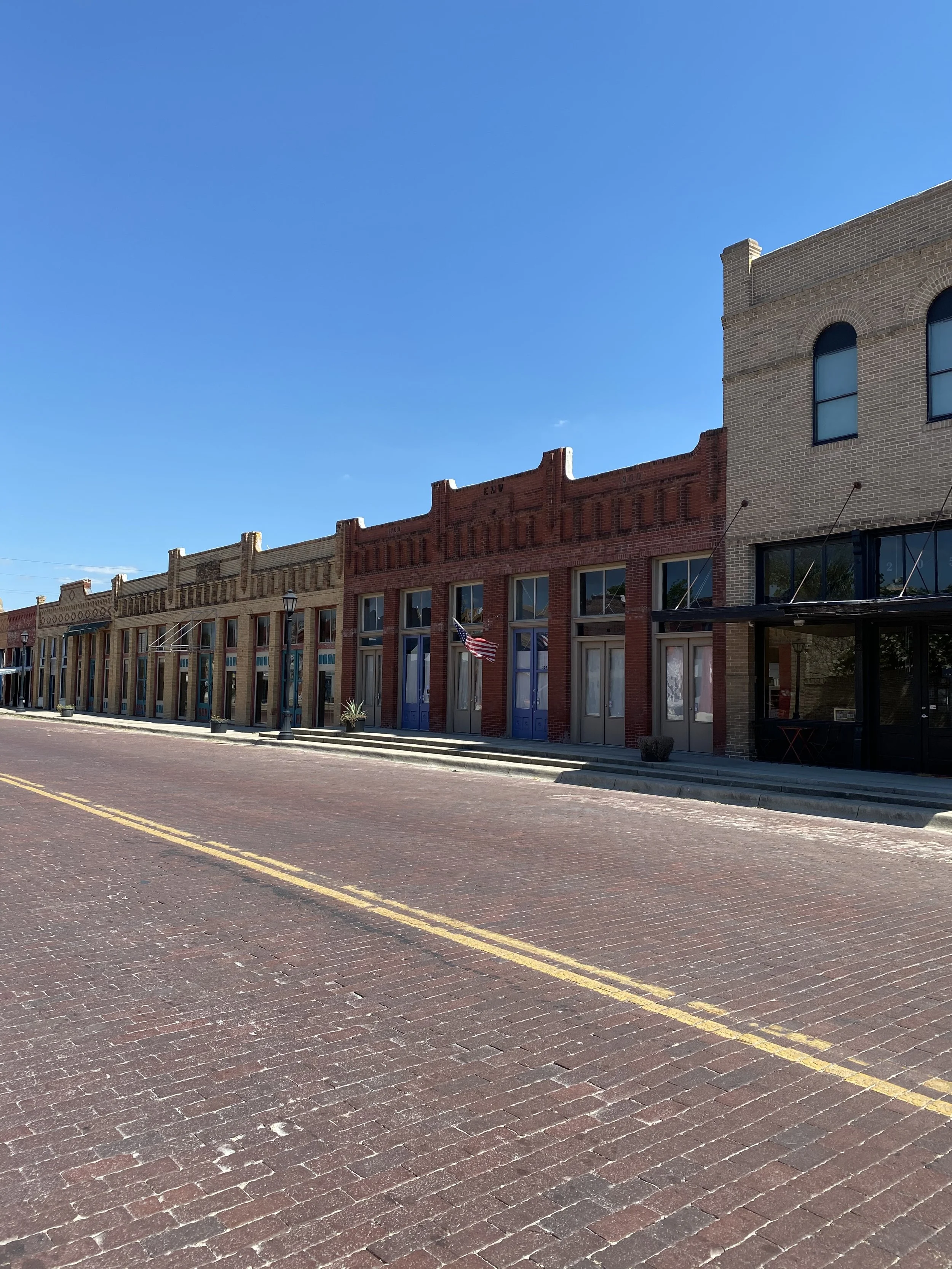
The brick buildings remained, but the industry that gave them purpose disappeared.
Until now.
The Next Chapter
The Denim District isn't built on a manufactured story.
It's built on a forgotten one.
The same streets that once supported cotton merchants and clothing manufacturers are being reimagined for today's generation of denim makers, designers, repair specialists, vintage curators, and craftspeople.
The buildings are authentic.
The history is authentic.
Now it's time to build the next chapter.
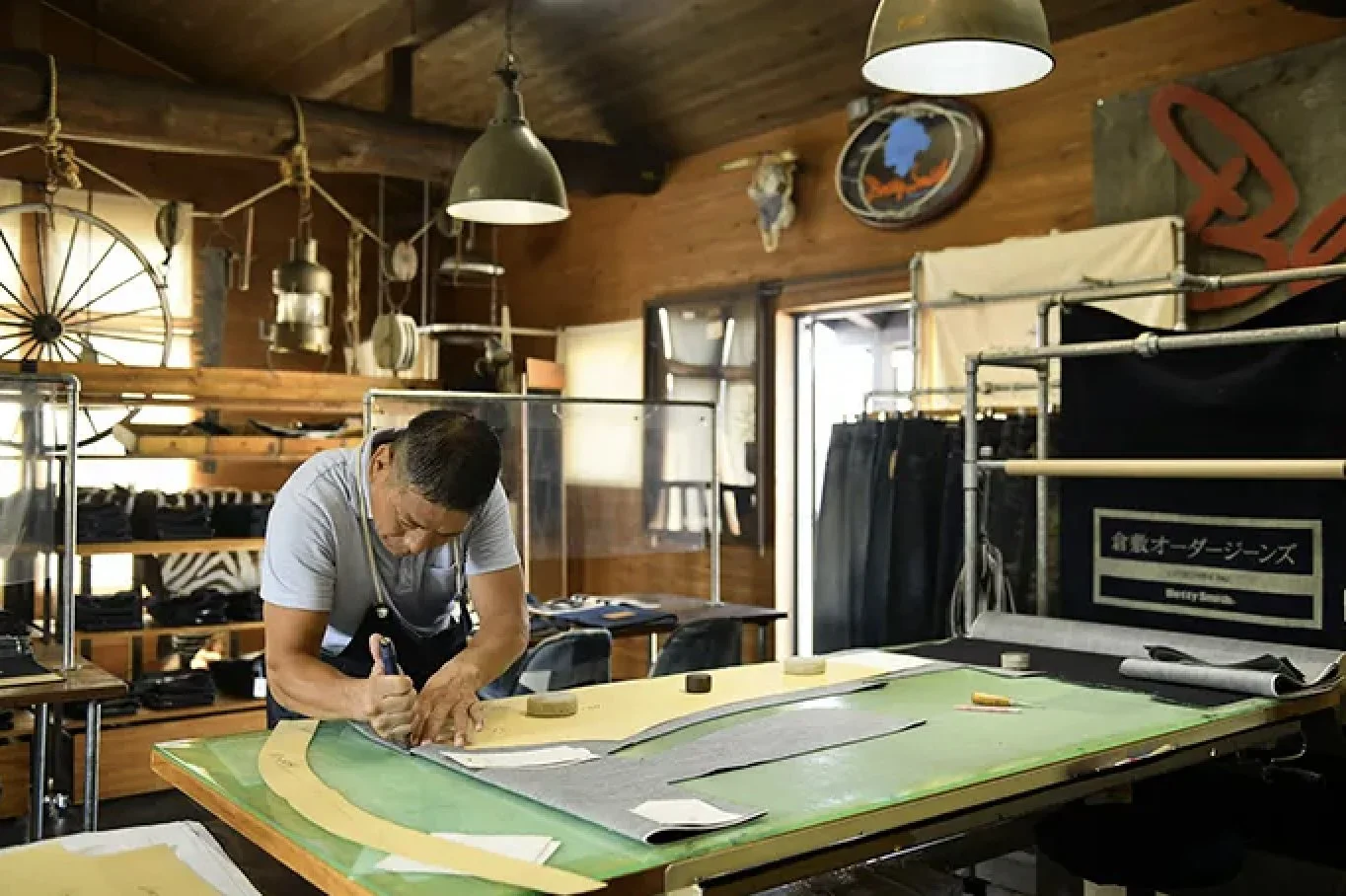
Case Study - Kojima Jeans Street, Kurashiki, Japan
Kojima is a small area in Kurashiki, Japan.
Today, it is known around the world for premium Japanese denim.
But the street did not become famous overnight.
It started with history.
The area had been producing textiles for generations.
Read Kojima’s full story HERE, told by The Denim District’s Founder, Robert Zalkin.